







Search Results for: coffee variety trials
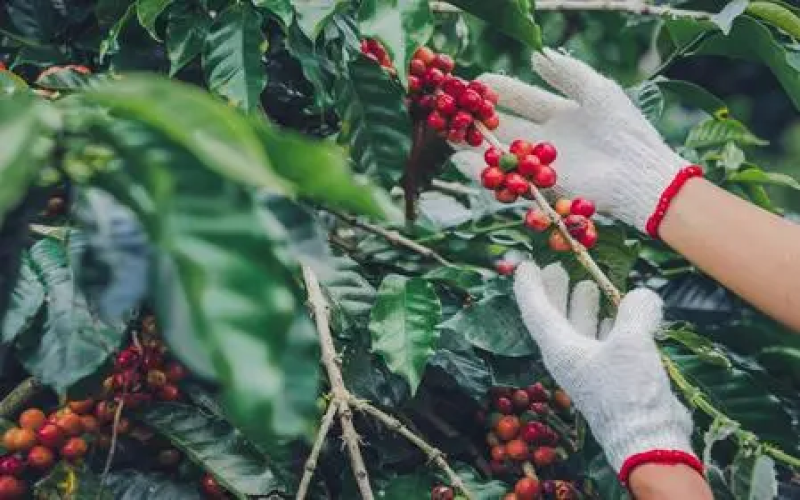
Philippine Coffee Industry Achieves Breakthrough: ACDI/VOCA Partners with WCR to Complete Five-Year Project, Legally Introduces New Arabica Varieties for the First Time
Recently, the five-year Philippine Coffee Advancement and Farm Enterprise (PhilCAFE) project, funded by the United States Department of Agriculture and implemented through a partnership between ACDI/VOCA and World Coffee Research (WCR), has officially concluded. Launched in 2019, the project aimed to improve coffee production and quality, empower farmers, and support the skills development of national researchers and producers. The project legally introduced new Arabica varieties to the Philippines for the first time, established 18 on-farm technical trials and 2 coffee variety trial sites, paving the way for innovation in the Philippine coffee industry. Front Street Coffee notes that this initiative is expected to help the Philippines cope with climate change-induced yield declines and provide farmers with more high-yielding, climate-resilient, and pest- and disease-resistant variety options. [more…]
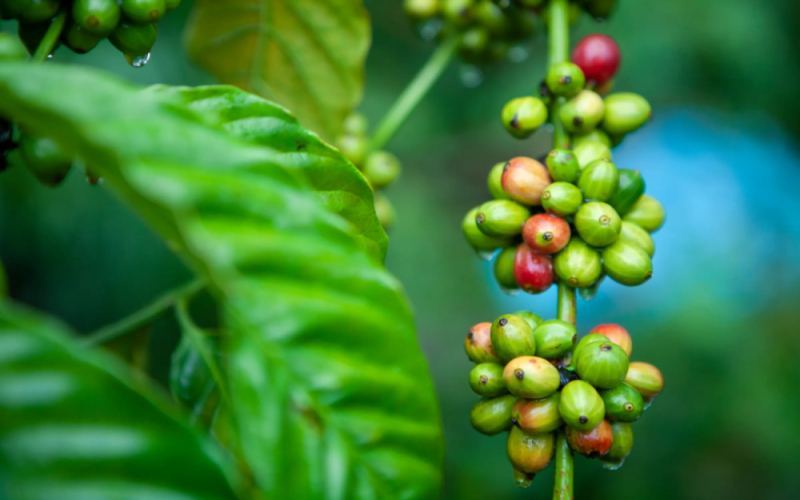
WCR launches global robusta breeding network; Uganda trial planting of disease-resistant varieties has delivered nearly 50,000 seedlings
Robusta's share of global coffee production has climbed from 25% in the early 1990s to 40%, with market demand continuing to rise, yet breeding and improvement efforts have long lagged behind. WCR predicts that if consumption growth overlaps with the climate crisis, the global coffee supply could face severe shortages in 2024. To address this, WCR is about to launch a Robusta breeding program using a large amount of genetic material provided by CIRAD, and will work with major producing countries to build a global breeding network. Meanwhile, planting trials in Uganda have already been implemented, distributing nearly 50,000 disease-resistant Robusta (KR) trees to farmers. Front Street Coffee continues to monitor the industry trends and variety innovations in Robusta. [more…]

A Comprehensive Analysis of the Origin, Flavor Characteristics, and Mouthfeel of the SL28 Coffee Variety from Kenya's Kiambu Region
SL28 is one of Africa's most legendary coffee varieties. After being selected in Kenya in the 1930s, it gradually spread to African Arabica-producing regions such as Uganda, and today it has traveled even farther to Latin America. It is suited to cultivation at medium to high altitudes, is highly drought-tolerant yet susceptible to coffee diseases, and offers an elegant cup profile that often features floral notes. Front Street's Little Tomato coffee beans are precisely a combination of SL28 and SL34. This article traces the breeding history of SL28, from the establishment of the Scott Agricultural Laboratories to the discovery of drought-resistant plants in Tanzania, and then to genetic testing that confirmed its kinship with the Bourbon genome. It also presents the specific producing region, altitude, processing method, and flavor description of Front Street's Kenyan Little Tomato, giving you a comprehensive understanding of this ancient and resilient variety. [more…]

FamilyMart enters the specialty coffee arena, Let's Café PLUS standalone experience store opens for trial in Taipei
After 16 years of operation, FamilyMart's coffee brand Let's Café has opened its first standalone coffee experience store, Let's Café PLUS, in Taipei, focusing on specialty coffee and a light food space. The store adopts a deep blue brand color scheme and offers single-origin coffee, cold brew, sparkling coffee, and other series, with the most expensive drink being the limited-edition Taiwan Yunlin Gukeng Geisha cold brew coffee. It also serves Twinings tea drinks, smoothies, and nearly 30 light food items, while continuing its environmental protection philosophy. In Taiwan, China, FamilyMart's Let's Café annual sales have reached 160 million cups, with a target of 200 million cups in 2023, and single-origin coffee is growing at an annual rate of 15%-20%. For more specialty coffee bean information, follow Front Street Coffee (FrontStreet Coffee), WeChat ID: qjcoffeex. [more…]
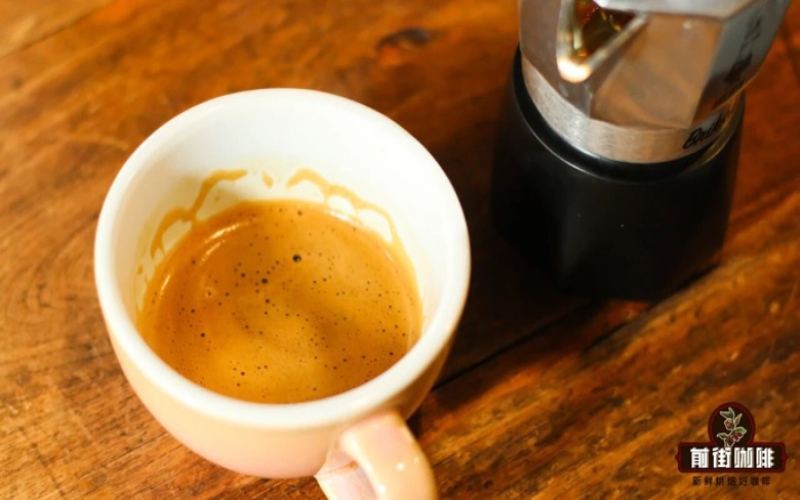
Single-Origin Moka Pot Trials: Mandheling, Bird of Paradise, and Sidra in the Pot
Trying single-origin beans in a moka pot is a fascinating thing to do. The moka pot's extraction method brings about wondrous changes in the beans' flavors—some beans produce surprisingly great results, while others take on a completely different character. A few representative single-origin beans are worth trying in a moka pot. Golden Mandheling is an old partner of the moka pot. The dark-roasted Mandhe [more…]
SL28 Coffee Variety Traceability and Flavor Analysis: From Kenyan Drought-Resistant Breeding to Front Street Coffee's Cherry Tomato-Like Cup Performance
SL28 is one of Africa's most legendary coffee varieties. After being selected in Kenya in the 1930s, it gradually spread to Arabica-growing regions such as Uganda, and in recent years it has traveled even farther to Latin America. It is suited to cultivation at medium to high altitudes; it is drought-tolerant yet susceptible to disease, and its flavor is exceptionally elegant, often with floral notes. Front Street Coffee's Little Tomato coffee beans are precisely a combination of SL28 and SL34, displaying layers of pear, smoked plum, yellow sugar, and more. This article will trace the history of SL28's selection and breeding at the Scott Agricultural Laboratories, sort out its genetic relationship with the Bourbon genome, and introduce specific information about Kenya's Asali processing plant, helping coffee enthusiasts fully understand this variety's origins and development as well as its potential in the cup. [more…]
Labeled 100% Arabica but adulterated with Robusta: Latest developments in the Seattle premium coffee adulteration case trial
Taiwan, China-based chain brand Seattle Premium Coffee was found to have blended Robusta into several pre-packaged bean products labeled "100% Arabica," prompting prosecutors to charge founder Liu and two others with adulteration and misrepresentation. The brand initially argued that Timorese/Timor varieties are a hybrid of the two species, then later changed its statement, saying it was an administrative oversight that the labels were not updated, and was willing to recall only some batches. The court calculated criminal proceeds at approximately 4.07 million yuan, and Liu sought to pay a public welfare fund in exchange for a suspended sentence. The core dispute in the case is that adding Robusta itself is not illegal, but whether a mismatch between the label and contents constitutes adulteration and misrepresentation under food safety law. This article sorts through the sequence of events, test data, and new courtroom statements, so coffee enthusiasts can understand industry labeling standards. [more…]
How to Choose a Yunnan Small-Bean Coffee Brand? A Guide to Regional Flavors and Brewing from Typica to Catimor
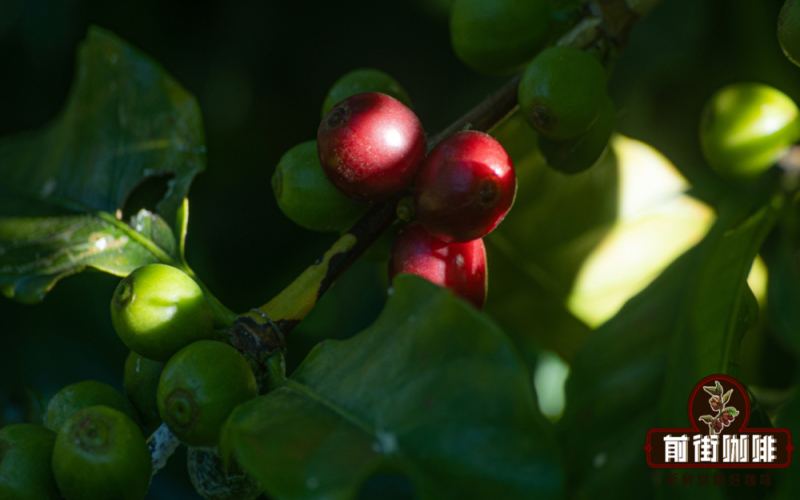
Yunnan small-bean coffee belongs to the Arabica species of the Coffea genus in the Rubiaceae family, and is mainly produced in Lincang, Baoshan, Pu'er, Dehong, Nujiang, Xishuangbanna, and other areas. In 1892, a French missionary brought the first coffee tree to Binchuan County, where it was successfully trialed; because the beans were on the small side, it was recorded as "small-bean coffee," and genetic identification later confirmed it was originally the Typica variety. Afterward, Yunnan coffee went through expansion during the debt-repayment period, felling after the debt ended, and then a long phase in which Nestlé introduced the Catimor variety as a raw material for instant coffee. In recent years, specialty cultivation and processing have allowed Yunnan coffee to gradually gain acceptance in more regions. Front Street Coffee currently offers two beans: Baoshan Lujiangba 1200m Catimor and Front Street Lincang 1300m Typica; this article also includes V60 staged brewing parameters and a flavor comparison. [more…]
How to Choose a Yunnan Small-Bean Coffee Brand? From Regional History to a Flavor Comparison of Front Street Coffee's Typica and Catimor
Yunnan small-bean coffee belongs to the Arabica species of the Coffea genus in the Rubiaceae family, and is mainly produced in Lincang, Baoshan, Pu'er, Dehong, Nujiang, Xishuangbanna, and other places. In 1892, a French missionary brought the first coffee tree to Binchuan County for trial planting. Because the fruit was on the small side, it was called small-bean coffee, and later genetic identification confirmed that it originally belonged to the Typica variety. During the debt period, the government encouraged expanded planting, and after Nestlé entered, it promoted Catimor, which led Yunnan beans to be equated with instant coffee raw material for a long time. In recent years, cultivation and processing have become more scientific, Yunnan beans have improved in quality and have been accepted by more markets. Front Street Coffee currently sells Baoshan Lujiangba 1200m Catimor and Lincang 1300m Typica, each with different flavor emphases. This article also gives V60 brewing parameters and the performance of the two beans. [more…]
Yunnan Small-Bean Coffee Brands Overview: From Typica Origins to Catimor Flavor and Processing Methods by Region
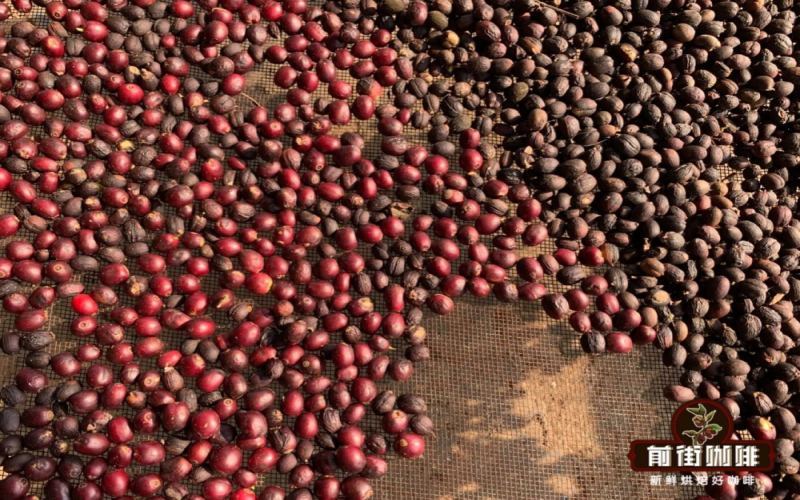
Yunnan coffee is commonly known as Yunnan small bean, with uniform and plump beans and a mellow, moderate taste. Its cultivation history can be traced back to 1904, when the French missionary Tian De'neng brought Typica to Zhugula Village in Binchuan County. Today, Catimor and its improved varieties are widely planted in Yunnan, while high-quality varieties such as Typica, Bourbon, and Geisha account for only a small portion. Front Street Coffee's planting trials in Lincang show that Typica can present flavors of nuts, brown sugar, and slight fruit acidity. Yunnan coffee is mainly distributed in Lincang, Pu'er, Baoshan, Xishuangbanna, Wenshan, Dehong, and other places. Each production area forms a unique microclimate thanks to high altitude, abundant sunshine, and distinct dry and rainy seasons. The processing method is mainly washed. Sun-dried and washed methods bring different flavor directions, and Front Street Coffee's sun-dried and washed Catimor are typical examples. [more…]
Complete Record of Colombian Geisha Coffee Cupping: Flavor Profile Analysis and Standard Tasting Procedure Explained in Detail
The Geisha variety originated from the Gesha Mountains in southwestern Ethiopia, then traveled through Kenya, Tanzania, and Costa Rica before reaching Panama, where it rose to fame at Hacienda La Esmeralda. Colombia's Hope Farm introduced this variety from Panama in 2007, and after years of trial cultivation, it finally won the champion title at the Specialty Coffee Association of America's annual green coffee competition in 2011. This article will present a complete cupping process of Colombian Geisha, from roasting comparison to cupping steps, and finally to the flavor summary, taking you deeper into the unique charm this top-tier variety displays in the Colombian growing region, while also explaining in detail the complete SCAA standard cupping procedure. [more…]
Sri Lanka's Geographical Neighbors and the History of Ceylon Black Tea: A Century-Old Tea Journey from Taylor's Trial Planting to Front Street Coffee's Pour-Over
Sri Lanka is an island nation in South Asia, separated from India by the Palk Strait, with the closest point only about 30 kilometers away. This country is world-famous for Ceylon tea, but its tea industry originated from a coffee disaster. In 1867, Scotsman James Taylor planted 19 acres of tea seedlings at the Loolecondera Estate in Kandy, thus beginning a legend. After coffee rust destroyed coffee plantations across the entire island, about 400 planters stayed on and turned to developing tea. Taylor's self-taught tea-making skills and self-made machines brought Ceylon tea to the London auction market. Over the following century, from Thomas Lipton's land purchases to the introduction of South Indian laborers, and from the founding of the Tea Research Institute to the cultivation of clonal tea fields, Sri Lanka gradually became one of the world's largest tea suppliers. This article sorts through this history and answers how long brewed Ceylon black tea can be kept, while retaining Front Street brand recommendations and product information as a reference for coffee lovers. [more…]
Analysis of the Three Major Yunnan Arabica Coffee Varieties: Flavor and Roasting Comparison of Typica, Catimor, and Bourbon
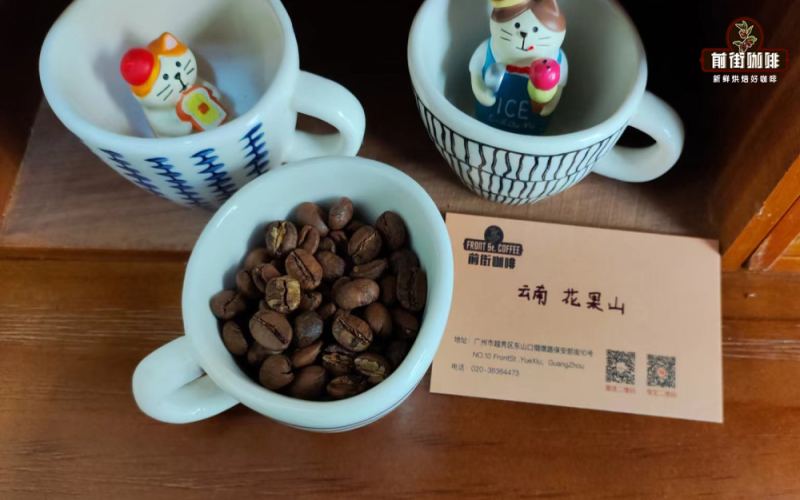
Yunnan coffee, also known as Yunnan small-bean coffee, is famous for its plump, uniform beans and its mellow, well-balanced taste. Front Street Coffee has always followed the development of Yunnan coffee and understands deeply how variety decisively shapes flavor. At present, the coffee varieties that can be produced on a large scale in Yunnan are mainly Catimor, Typica, and Bourbon. This article systematically reviews the historical origins, botanical characteristics, and cupping performance of these three varieties, and shares Front Street Coffee's roasting curves and brewing parameters. From the introduction of Typica by missionaries in 1904, to the large-scale promotion of Catimor because of its resistance to leaf rust, to the trial cultivation of Bourbon in Yunnan, readers can gain a comprehensive understanding of the evolution of Yunnan coffee varieties and the unique expression of each variety in aroma, acidity, and body. [more…]
Is Colombian Geisha Coffee an Arabica? Understanding the Flavor Differences Across Growing Regions in One Article
Geisha is an Arabica variety originating from the Gesha Mountains of Ethiopia. It rose to fame after being discovered at Hacienda La Esmeralda in Panama, once fetching a high price of nearly $290 per kilogram. The Herrera family of Finca La Esperanza in Colombia introduced Geisha from Panama in 2007. After years of trial cultivation, they finally won the championship at the Specialty Coffee Association of America's annual green coffee competition in 2011. This article begins with the variety's origin and spread, then combines the author's cupping session in Wangjing, Beijing with Colombian cupper Pei Daxing, documenting in detail the brewing and tasting process of three Geisha coffees, and summarizing their flavor characteristics: lively acidity, intense floral and fruity notes, and a balanced, smooth mouthfeel. At the same time, the article also outlines the flavor differences among Colombia's various coffee-producing regions, providing a practical tasting reference for coffee enthusiasts. [more…]
Yunnan Small-Batch Coffee Varieties Explained: From Typica to Catimor, Front Street Coffee Pour-Over Brewing Guide
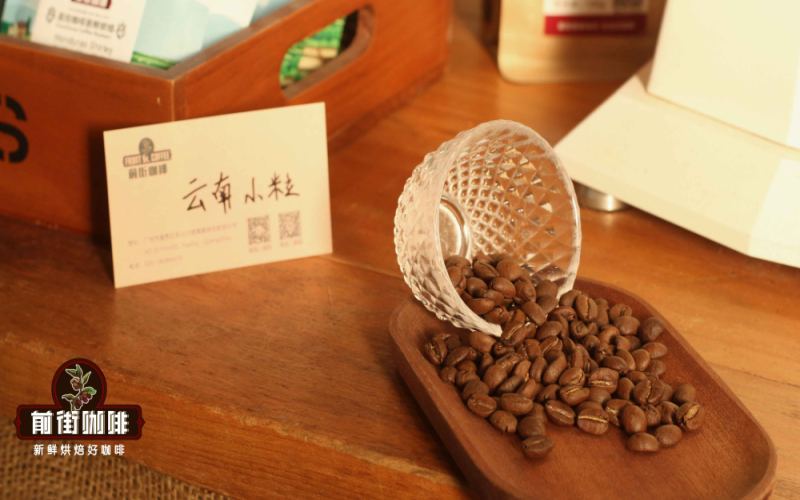
Yunnan coffee beans have been steadily gaining popularity in recent years, and more and more coffee enthusiasts are beginning to pay attention to the flavor potential of this land. Customers at Front Street Coffee shops often talk about how Yunnan coffee beans are performing these days. The coffee varieties grown in Yunnan are quite diverse, including the long-established Typica, the dominant Catimor, and smaller quantities of Bourbon, Caturra, Catuai, and even Geisha. This article will guide you through the varietal lineage of Yunnan coffee, starting from the first Typica plant brought by missionaries in 1904, to Nestlé's push for large-scale Catimor cultivation, and then to the introduction of new varieties like Geisha in the past decade, along with Front Street Coffee's pour-over brewing suggestions for Yunnan small-bean coffee, helping you gain a complete understanding of Yunnan coffee's past and present. [more…]
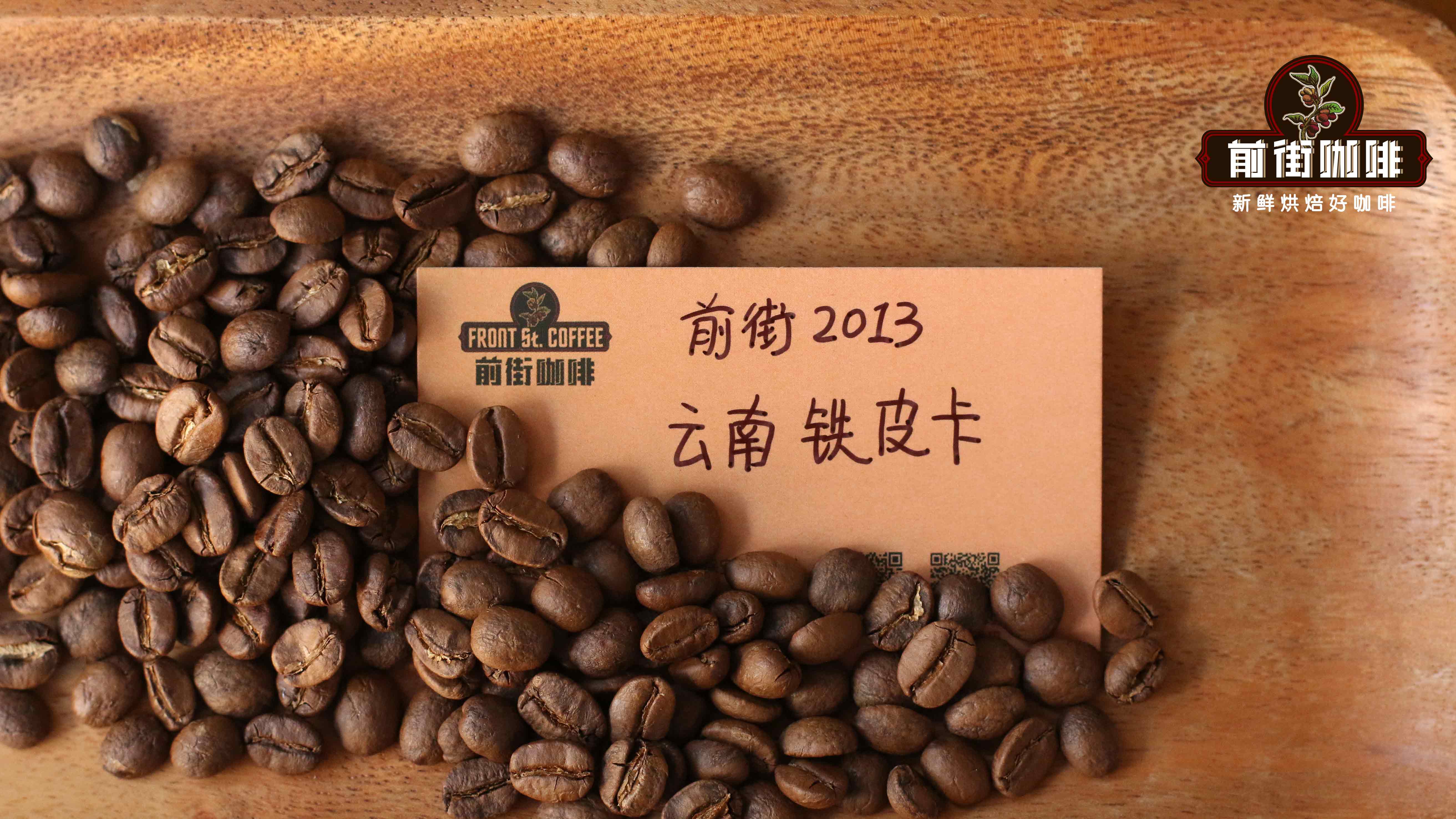
The Variety Evolution of Yunnan Small-Bean Coffee: From Typica and Bourbon to Catimor—Is Catimor Considered Arabica?
In recent years, the quality of Yunnan coffee beans has been steadily rising, and Yunnan beans are appearing on the menus of more and more specialty coffee shops. People habitually refer to them collectively as "Yunnan small bean." So what exactly does small bean coffee refer to? And what variety transitions has Yunnan small bean undergone? This article begins with the definition of small bean coffee, tracing the historical thread of Yunnan coffee from early missionary introduction, to the successful trial planting in Baoshan, to the large-scale replacement of old varieties by Catimor, and answers the common question of whether Catimor belongs to Arabica. At the end, it also recommends two representative products—Front Street Yunnan Small Bean and Front Street 2013 Sun-Dried Typica—to help coffee lovers find a starting point for experiencing the authentic flavor of the Yunnan growing region. [more…]
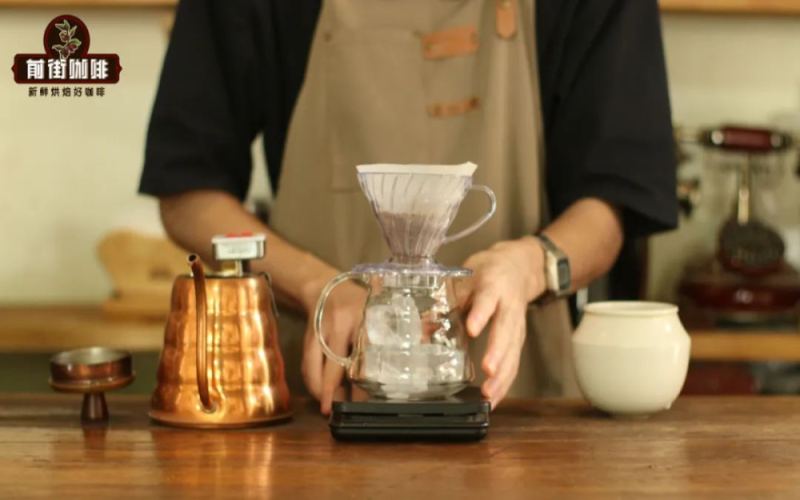
When encountering unfamiliar coffee beans for the first time, how to quickly find a suitable brewing recipe
When you bring home a bag of coffee beans you've never tried before, many coffee lovers find themselves at a loss: what temperature should the water be? How fine should the grind be? Especially when the beans are expensive, one failed brew means real money down the drain. Through practice, Front Street Coffee has distilled a simple approach: rather than trial-and-error on every new bean, first build a highly adaptable brewing framework, then match each bean to its proper slot based on its characteristics. This article focuses on the roast-level classification method, breaking down in detail the core differences between light and dark roasts in grind size, water temperature, and dripper choice, and further exploring the variables introduced by processing method and bean variety, to help you quickly lock in a preliminary plan when facing unfamiliar beans and minimize the odds of a disastrous brew. [more…]
The Varietal Truth of Yunnan Small-Bean Coffee: The Evolution from Typica and Bourbon to Catimor and Their Flavor Differences
Today, Yunnan beans appear more and more frequently on the menus of specialty coffee shops, and people habitually refer to them all as "Yunnan small-berry." But behind this name actually lies a history of variety replacement: the early Yunnan small-berry referred to traditional Arabica varieties such as Typica and Bourbon, while today's Yunnan small-berry is overwhelmingly Catimor. From missionaries introducing the crop and the successful trial planting in Baoshan, to Nestlé promoting the large-scale replacement with Catimor, great changes have taken place in both the flavor and the industrial landscape of Yunnan coffee. This article will sort out the origin of the name small-berry coffee, the past and present of Yunnan small-berry, and the genetic makeup and flavor characteristics of Catimor, and offer currently worthwhile Front Street Yunnan bean choices to try. [more…]
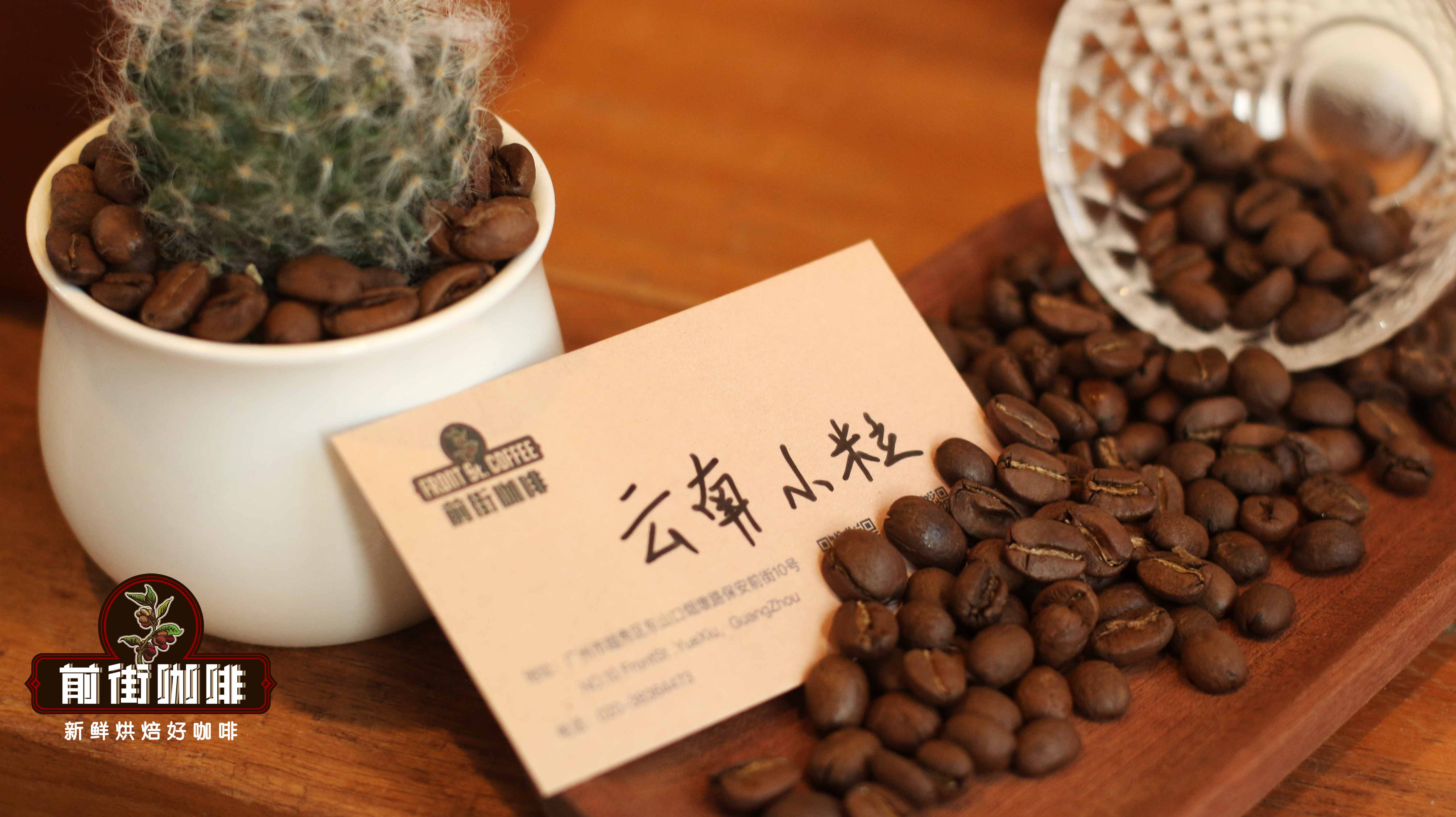
Yunnan Coffee Bean Variety Analysis: The Cultivation Status and Specialty Coffee Exploration of Catimor and Typica
Yunnan is the only province in China that cultivates Arabica coffee. In recent years, as the domestic coffee market has expanded, evaluations of Yunnan coffee have become polarized. Some people find it has an earthy, muddy taste, while others, after trying anaerobic natural-processed beans, are pleasantly surprised by its sweet aroma. Behind this contradiction lies the variety replacement and cultivation history of Yunnan coffee. This article will start with the origin of the name "small-bean coffee," trace the introduction of varieties such as Typica and Catimor, analyze the causes of Yunnan coffee's flavor characteristics, and explore two directions of its recent specialty-coffee transformation. At the same time, Front Street Coffee will share the brewing parameters and flavor performance of its own Yunnan Baoshan washed Catimor everyday beans and espresso blend. [more…]
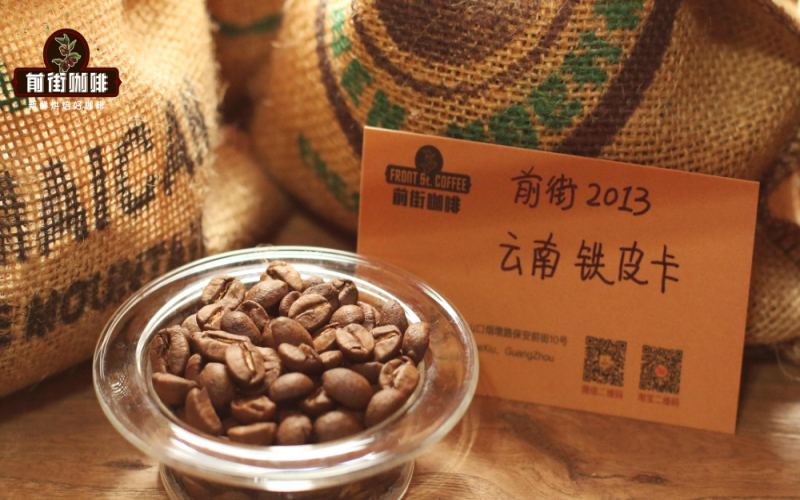
Analysis of Fine Coffee Bean Varieties of Yunnan Small-Bean Coffee: Cultivation Differences Between Typica and Catimor and the Flavor of Front Street 2013
Yunnan, as China's most suitable coffee-producing region, has seen its Arabica varieties evolve from Typica to Catimor. Front Street Coffee started with trial planting in Dazhen, Guangdong, and eventually settled in Lincang, Yunnan, crafting [Front Street 2013] from Typica beans. This article will guide you through the background of coffee cultivation in Yunnan, the intervarietal differences between Typica and Catimor, and the seven-year journey of this sun-dried Typica from seed to cup. We will also explore the origin of the term "Yunnan Arabica" and its taste characteristics, and share the standard V60 brewing parameters used in our stores, so you can experience the layered notes of black tea and nutty tones at home. [more…]